Introduction: The Shift from “Thinking” to “Acting”
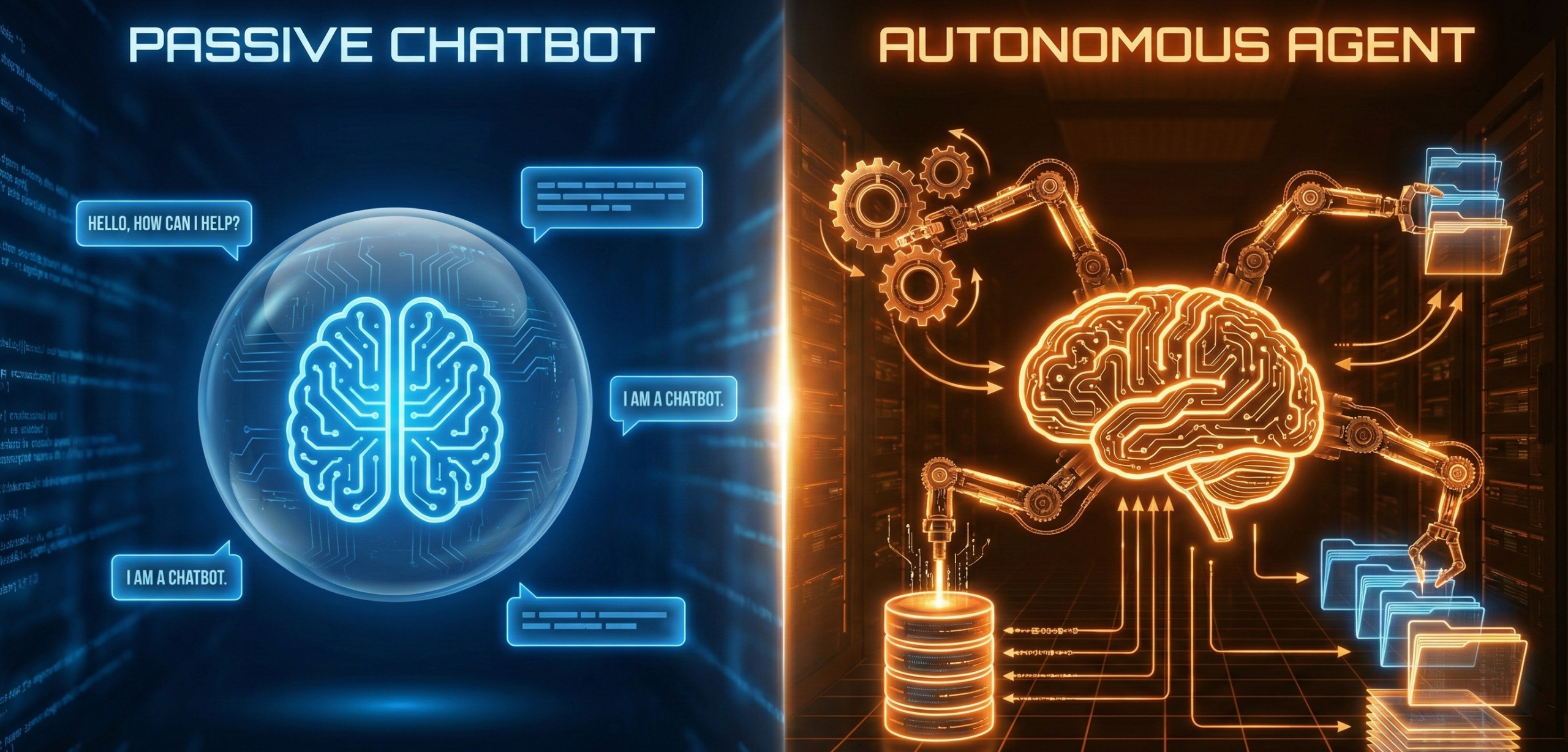
The release of ChatGPT sparked a global revolution in generative AI, allowing businesses to generate text, code, and images at unprecedented speeds. However, for Australian enterprises looking to automate complex workflows, a standard Large Language Model (LLM) has a fatal flaw: it is passive. It can write an email, but it cannot send it. It can suggest a code fix, but it cannot deploy it.
This is where agentic AI solutions come into play. We are witnessing a paradigm shift from AI that “talks” to AI that “does”. Unlike their predecessors, AI agents are designed to perceive their environment, reason through problems, and execute business operations autonomously. For leaders seeking to future-proof their organisations, investing in professional AI agent development services is no longer a luxury—it is the next logical step in digital transformation.
At Innotech Vietnam, we help businesses bridge this gap, turning static AI potential into dynamic, kinetic business value.
What Are AI Agents? (And Why Do They Matter?)
An AI agent solution is a system powered by an LLM that acts as a reasoning engine. Instead of just predicting the next word in a sentence, an agent uses the LLM to determine the next action to take to solve a problem.
The Core Difference: Chatbots vs. Agents
- Chatbots (Standard LLMs): React to prompts based on pre-trained data. They are isolated from your actual business tools.
- Agentic Systems: Have access to tools (APIs, databases, web browsers) and “agency”—the ability to decide which tool to use and when.
For example, if you ask a chatbot to “Book a meeting with the sales team,” it will draft an email for you. If you ask an agentic AI system, it will check the calendars of all participants, find a free slot, send the invites, and update your CRM—all without human intervention.
The Anatomy of an Autonomous Agent
To understand the value of agentic AI consulting services, it is crucial to understand the architecture that powers these systems. Most custom AI agents function on a loop known as ReAct (Reasoning + Acting):
- Perception: The agent receives a business objective (e.g., “Analyze competitor pricing”).
- Reasoning: The agent breaks this high-level goal into smaller complex tasks. It might think: “First, I need to search for competitor websites. Then, I need to scrape pricing data. Finally, I need to compile this into a CSV.”
- Action: The agent utilizes data sources and external tools (like a web search API or internal SQL database) to execute the first step.
- Observation: The agent reviews the output of its action. If the web search fails, it reasons again to try a different query.
- Completion: Once the loop is finished, the agent delivers the final result.
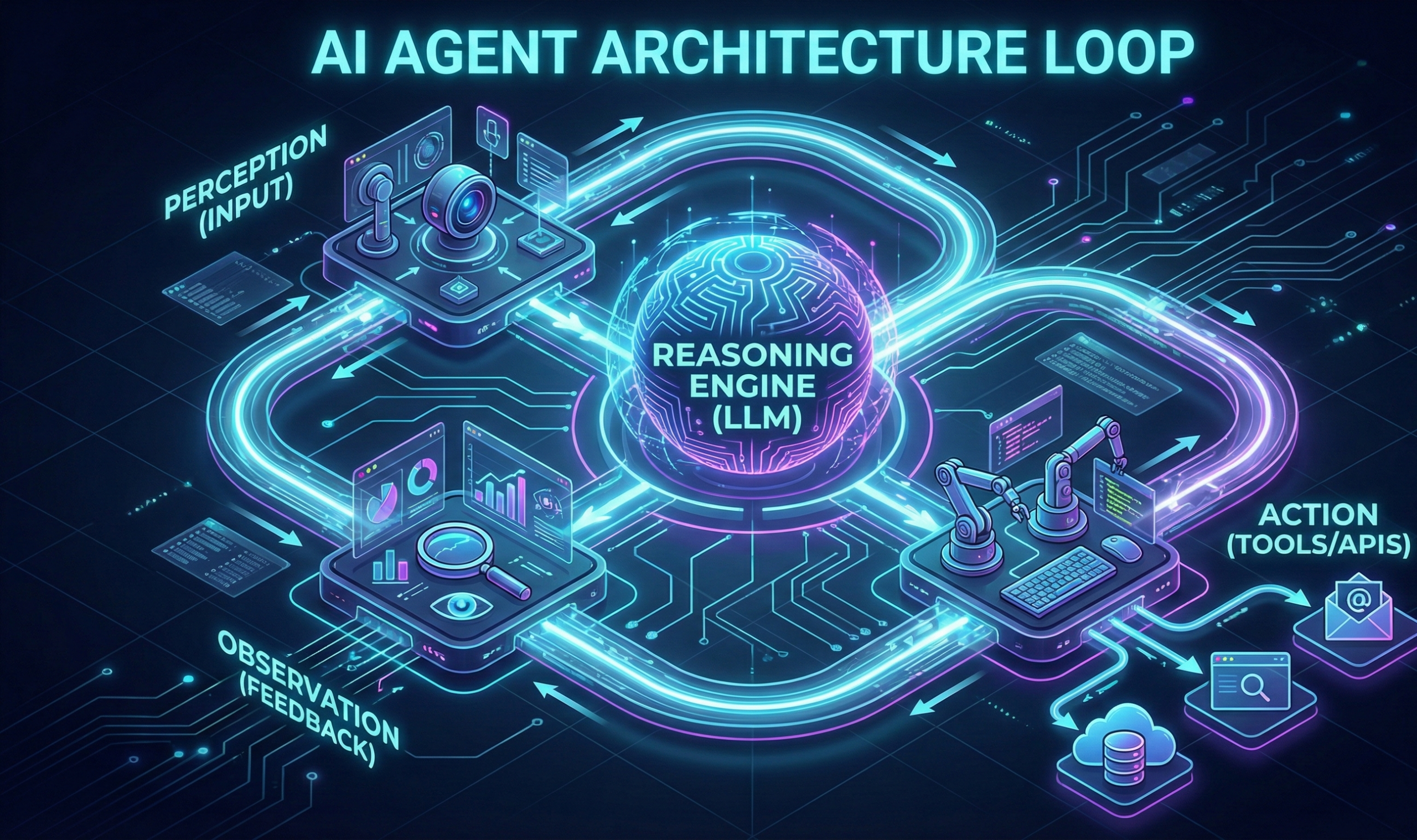
This autonomous loop is what allows agentic systems to handle real world ambiguity that would break a traditional automation script.
Why Australian Enterprises Need Agentic AI Now
The Australian market is currently facing a dual challenge: a tight labour market and the need for high operational efficiency. AI agent solutions offer a direct answer to these pressures.
24/7 Autonomous Operations
Unlike human staff, AI agents do not sleep. They can monitor server logs, respond to Level 1 customer support tickets, or process invoices at 3 AM. This ensures business processes continue uninterrupted, drastically reducing turnaround times.
Reducing Cognitive Load
By offloading repetitive, multi-step tasks to agents, your human workforce can focus on high-value strategic work. According to recent insights from SmartCompany, the adoption of AI tools is becoming a primary driver for employee retention and satisfaction in Australian SMEs.
Scalability without Headcount
Scaling a customer support team requires hiring, training, and management. Scaling an agentic AI solution simply requires more compute power. This elasticity is vital for businesses with seasonal peaks in demand.
Key Use Cases for AI Agents
Through our AI agent development services, we have identified high-impact applications across various sectors:
4.1. Intelligent Customer Support
Standard chatbots often frustrate users with generic answers. An agentic system can integrate directly with your order management system. When a customer asks, “Where is my order?”, the agent can verify the user’s identity, query the logistics API for real-time location, and even issue a refund if the delay exceeds policy limits—all autonomously.
4.2. HR and Recruitment Automation
Platforms like Kingwork are paving the way for agentic workflows in Human Resources. An AI agent can autonomously screen thousands of resumes, scoring them against job descriptions, and even scheduling interviews with shortlisted candidates, freeing up HR managers to focus on culture and interviews.
4.3. Financial Analysis and Reporting
Agents can be tasked with “Researching market trends for Q3.” They can browse financial news sites, pull data from the ASX, and synthesize a report with citations. Frameworks like Ag2.ai are demonstrating the power of open-source agent collaboration in these data-heavy fields.
Our Approach to AI Agent Development
Building a robust agent is more complex than a standard software project. It requires deep expertise in machine learning, prompt engineering, and systems architecture. At Innotech Vietnam, our agentic AI consulting services follow a rigorous methodology:
Phase 1: Discovery and Tool Definition
We map out your complex workflows to identify which steps require human judgment and which can be autonomous. We then define the “Tools” the agent will need access to (e.g., Salesforce API, Jira, Stripe).
Phase 2: Choosing the Right Brain
Not all agents need GPT-4. For specific tasks, smaller, fine-tuned models can be faster and more cost-effective. We leverage our LLM Customizer to build specialized models that serve as the “brain” for your agents, ensuring they understand your specific industry jargon.
Phase 3: Guardrails and Security
Giving an AI “agency” comes with risks. We implement strict “Guardrails” to ensure the agent never performs unauthorized actions (like deleting data or sending unapproved emails). We treat data privacy as a non-negotiable priority, ensuring compliance with Australian standards.
Phase 4: Integration and Monitoring
An agent is useless in a vacuum. We integrate the solution into your existing enterprise systems and set up real-time monitoring dashboards to track the agent’s success rate and cost per interaction.
The Future is Agentic
We are moving towards a future of “Multi-Agent Systems,” where different specialized agents collaborate to solve problems—a “Researcher” agent passing data to a “Writer” agent, who then sends the draft to a “Compliance” agent.
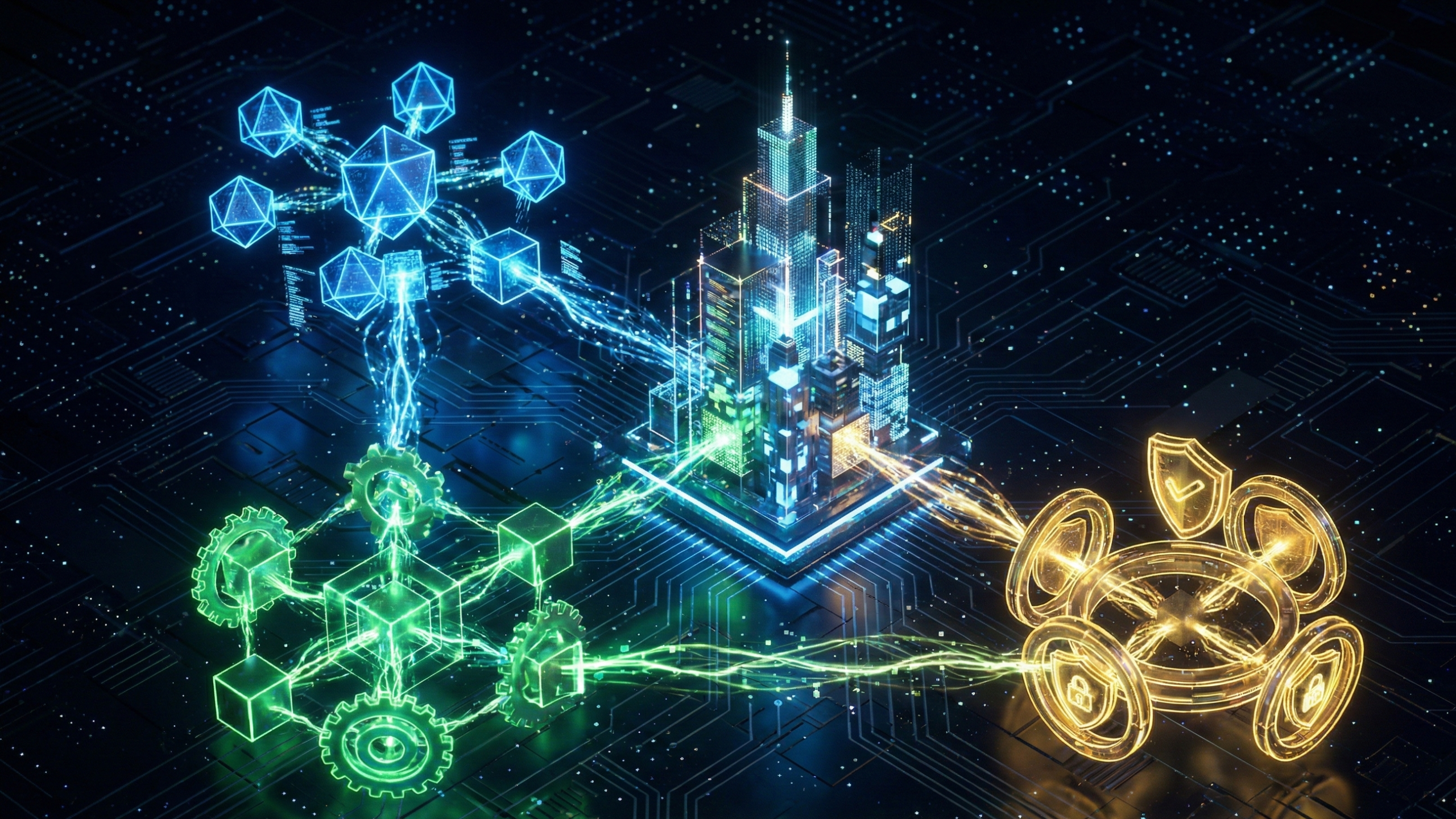
This isn’t science fiction; it is the current frontier of AI driven innovation. By adopting agentic AI solutions today, your organisation establishes a digital workforce that learns, adapts, and scales with you.
Conclusion: Start Your Agentic Journey
The gap between companies using AI for content and companies using AI for business operations is widening. Don’t let your competitors outpace you with an autonomous workforce.
Whether you need a custom support agent or a complex financial analyst bot, Innotech Vietnam provides the end-to-end AI agent development services you need.
Ready to automate the impossible?Contact Innotech Vietnam today to discuss how we can build your first autonomous agent.